Guide
Universal certification: one exam, the whole trade
A complete guide to EPA 608 Universal certification: the 100-question structure, the combine-passing-types path, why employers prefer it, and how to study and pace the long exam.
Every other EPA 608 certification draws a boundary around your work. Type I stops at small appliances. Type II stops at the edge of the low-pressure world. Type III lives inside it. Universal is the credential with no boundary to audit: it covers all three types, which means it covers every class of stationary equipment the regulation certifies technicians for. Hold it, and the question of whether the appliance in front of you is inside your card is permanently answered. That is why Universal is the default recommendation for anyone entering the trade, the most common answer working techs give when asked what to sit, and the line on a resume that ends the certification conversation before it starts.
This guide covers the credential end to end: the 100-question structure and what it is actually made of, the second path to Universal that most guides skip, the practical reasons employers prefer the card, how to sequence your study across three sector sections without drowning, and how to pace the long exam on the day. The framework underneath all of it is 40 CFR Part 82, which fixes the exam structure, the passing bar and the certification classes. Universal is bigger than the single types, but it is built from exactly the same published parts, and once you see the parts the big exam gets a lot less intimidating.
The 100-question structure
Every single-type exam has the same shape: 25 Core questions plus 25 questions specific to the type, 50 in total. The Universal exam is that same architecture extended across the whole trade: 100 questions, made of the 25-question Core plus 25 questions for each of the three types. It is one sitting, closed-book and proctored through an EPA-approved certifying organization, and it passes at 70 percent, the same bar as the single-type proctored exams. There is no separate, harder standard for the combined credential. The exam is wider, not steeper.
Look at what the structure means for the work of preparing. The Core, covering the environmental impact of CFCs, HCFCs and their substitutes, the laws and regulations governing refrigerant work, and the changing industry outlook, is material you would study for any certification level, because every exam includes it. Sit Type II alone and the Core is half your exam. Sit Universal and the same Core is a quarter of it. The additional cost of Universal over a single type is exactly three sector sections instead of one: the small-appliance material, the medium- and high-pressure material, and the low-pressure material, 25 questions each, each covering the same published categories of leak detection, recovery techniques, safety, shipping and disposal applied to its own equipment class.
That framing matters because it converts an intimidating number into a manageable plan. One hundred questions sounds like triple the exam. In study terms it is one shared foundation plus three bounded sector units, and the sector units overlap more than they differ: each one asks how refrigerant is kept out of the atmosphere, recovered, handled safely and moved on lawfully, with the details shifted to fit the equipment class. Learn the reasoning once, then learn how each class bends it. Candidates who see the exam this way study less material than they feared and remember more of it than they expected.
Two roads to the same card
Here is the piece most guides leave out: the single 100-question sitting is not the only way to hold Universal. The credential can be earned all at once, or it can be assembled by combining passing type exams. A technician who passes Type I, Type II and Type III ends up with certification covering all three classes, which is what Universal means. For a tech whose card grew with their career, one type at a time as the work demanded, the combining path is how the pieces become the whole.
One exclusion matters enormously if you are planning a route through the pieces: a mail-in Type I pass cannot count toward Universal. The mail-in format exists only for Type I, passes at 84 percent instead of 70, and sits outside the combining path entirely. A technician who took mail-in Type I and later wants Universal must sit the Type I material again under proctored conditions. If Universal is anywhere in your plans, even vaguely, every exam you sit along the way should be a proctored exam, so that every pass keeps its value.
So which road should you take? If you are starting from zero, the single sitting is almost always the better plan, for a reason the structure makes plain: every separate type exam repeats the same 25 Core questions. Three separate sittings means studying, scheduling and answering the Core three times. One Universal sitting means once. The combining path earns its keep in the other direction, for the tech who already holds one or two types from earlier in a career and only needs to close the gap. If that is you, your existing proctored passes are progress, and the remaining types are the whole task. If you hold nothing yet, take the 100 questions in one morning and be done.
Why employers prefer Universal on a resume
Put yourself behind the dispatch desk for a minute. A service company runs calls across the whole equipment landscape: residential splits in the morning, a walk-in cooler at noon, and, for shops with the work, chiller plants behind it all. A technician whose card covers only one class is a constraint the scheduler has to remember every single day. A technician with Universal is a tech who can be sent anywhere the work is, no certification check, no callback to the office, no job handed to someone else because of paperwork. When two resumes are otherwise close, the card with no gaps is the easier hire, not because employers worship credentials but because dispatch flexibility is worth real money to a service operation.
The signal runs deeper than scheduling. Universal on a resume says the holder prepared for the whole trade, including the low-pressure material most candidates have never touched in the field, and cleared the same bar across all of it. It also never has to be revisited: the regulation sets no expiration or renewal requirement for technician certification, reserving only EPA's right to add one by future notice, so the credential you earn once is the credential you hold for as long as you work. For a hiring manager, that is one line that answers every future version of the question. For you, it is career decisions made on the work you want rather than the paper you hold. None of this makes the single types wrong for genuinely bounded roles. It explains why, at the margin, the market keeps voting for the broad card.
Sequencing your study across three sectors
The wrong way to prepare for Universal is to open a study guide at page one and read forward until exam day. The right way falls straight out of the exam structure: one foundation, three sector units, sequenced deliberately. Start with the Core, and treat it as the highest-value study block you have, because it anchors the entire exam and it is the material field experience never teaches: the environmental case behind the regulation, the refrigerant families and their substitutes, the venting prohibition with its narrow de minimis exception for releases during good-faith recovery, the recordkeeping rules, three years for leak repair records, with per-service records required of owners of appliances holding 50 or more pounds of an ozone-depleting refrigerant, and the direction of an industry moving off its older refrigerants.
Then take the sectors in an order that builds. A sensible sequence runs from the class you know best to the class you know least, using the familiar material to cement the shared categories, leak detection, recovery techniques, safety, shipping and disposal, before applying them to stranger equipment. For most candidates that means the small-appliance and split-system material first and the low-pressure material last, because low-pressure chillers are the equipment fewest candidates have stood next to. Give that final unit the most calendar time, not the least, which is the opposite of how most people naturally allocate. Your least familiar sector is where your cheapest points are hiding: material you currently know nothing about is material where study moves your score fastest.
As you work through the sectors, study the differences, not just the content. The exam distinguishes the classes deliberately: what defines a small appliance, which recovery standards attach where, how the low-pressure world differs from the high-pressure one, where MVAC-like appliances fall, with their requirement of Type II certification or the motor vehicle program. A useful exercise is to take each shared category and say out loud how it plays across all three classes. If you can walk leak detection, recovery, safety, shipping and disposal across Type I, Type II and Type III equipment without notes, you are not just ready for the sector questions; you are ready for the exam's favorite trick, which is asking a question whose answer depends on noticing which class of equipment it names.
- Block one, the Core: environmental impact of CFCs, HCFCs and substitutes, laws and regulations including the venting prohibition and recordkeeping, and the industry outlook
- Block two, your strongest sector: use familiar equipment to lock in the shared categories of leak detection, recovery techniques, safety, shipping and disposal
- Block three, the middle sector: reapply the same categories to the next equipment class, studying the differences deliberately
- Block four, your weakest sector, usually low-pressure: the most calendar time goes here, because unfamiliar material is where study raises your score fastest
- Block five, mixed closed-book practice across all 100 questions worth of territory, graded honestly against the 70 percent bar, with every miss traced back to its topic and repaired
Two study habits pay for themselves on an exam this wide. The first is spacing: shorter sessions spread across days beat marathon sessions, because a closed-book exam tests recall and recall is built by returning to material after you have begun to forget it. The second is honest scoring: when you drill practice questions, grade against the real bar, count near misses as misses, and give yourself nothing for answers you would only have gotten with the book open. Book the sitting when your own closed-book numbers sit comfortably above 70 percent across all four blocks, not when the calendar says you have studied long enough. The exam does not care how long you studied. It cares what you can produce with the book closed.
Pacing the long form on exam day
One hundred questions in a single sitting is a different physical experience from a 50-question exam, and it rewards a plan. The arithmetic of the bar is your first anchor: at 70 percent, the exam allows a meaningful number of misses across its full length. No single question can sink you, and no single sector section can be allowed to eat the time that belongs to the other three. Move steadily, answer what you know, and treat any question that stalls you as a question to mark and revisit rather than a wall to push against while the clock spends itself.
Work with the structure rather than against it. The exam is built in recognizable territories, the Core plus the three sectors, and you will feel the terrain change as you move through it. Expect your strongest sector to go quickly and bank the time it gives you for your weakest. When you hit the material you studied last and know least, remember the arithmetic: you prepared that block to a passing standard, and the exam only asks you to clear the same 70 percent across the whole, not perfection in any part. On a long exam, composure is worth points, and composure comes from knowing in advance that some stretch of the test is supposed to feel harder than the rest.
Finish with a disciplined pass through everything you marked. A long exam gives second looks real value: a later question often shakes loose the distinction an earlier one needed, and the extra length means more of those collisions happen in your favor. Change an answer only when you can name the reason, not on nerves. Then be done. You prepared in blocks, you paced in blocks, and the result is one sitting, one card, and the whole stationary trade inside it.
One exam, then done
Step back and look at what Universal actually costs against what it buys. The exam is 100 questions, built from a Core you would study anyway plus three bounded sector units that share most of their reasoning. The bar is the same 70 percent as any proctored type exam. The alternative paths either repeat the Core across multiple sittings or, in the mail-in case, climb a higher bar for a pass that cannot combine toward the broad card at all. And the credential on the other side never expires under the regulation, never needs renewing, and never leaves you standing in front of a machine your paperwork will not let you open. For a bounded role, a single type is an honest fit. For everyone else, the long exam taken once is the shortest path through the whole question.
So sequence the study, respect the low-pressure block, drill closed-book until your numbers clear the bar with margin, and sit the 100 questions with a pacing plan in your pocket. Techs pass this exam every day, most of them with less structure than you now have. One morning of testing, and the certification conversation is over for the rest of your career.
Start where the exam starts. Take a practice exam and see your baseline.
The 608 fact sheet, free
Every verified 608 number on one printable page: the four types, the exam structure, the leak-rate and recovery figures. Enter your email and we will send you straight to it.
No spam. One useful sheet and occasional notes.
Keep reading
- How to get EPA 608 certified
- Type I, II, III or Universal: which 608 certification do you actually need
- Type I certification: the small-appliance card
- Type II certification: the split-system world
- How hard is the EPA 608 exam
The companion books
The tools of the certified tech
 Elitech digital manifold setThe gauge set is the trade's daily instrument
 VIVOHOME 4CFM vacuum pumpEvacuation is half of what 608 regulates
 VEVOR recovery machineRecovery is the other half
 Fieldpiece DR58 leak detectorLeak detection is a Group II exam area
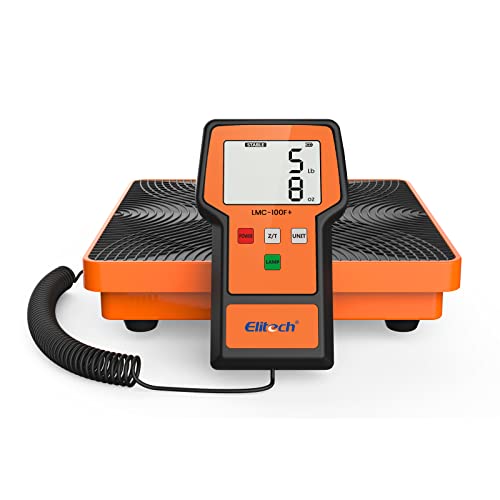 Elitech refrigerant scaleCharge tracking runs on the scale
Certification is the legal floor; these are the working instruments beside it. The full kit page.